
Stepping into a boxing gym for the first time can feel exciting and intimidating at the same time. Most beginners focus on punching power right away, but strong boxing starts with fundamentals. Professional fighters spend years refining simple movements because those basics create speed, balance, defense, and efficiency.
Learning proper boxing techniques early helps prevent bad habits that are difficult to fix later. If you’re just starting your boxing journey, mastering a few core skills will make training more enjoyable and help you progress much faster.
Why Fundamentals Matter More Than Power
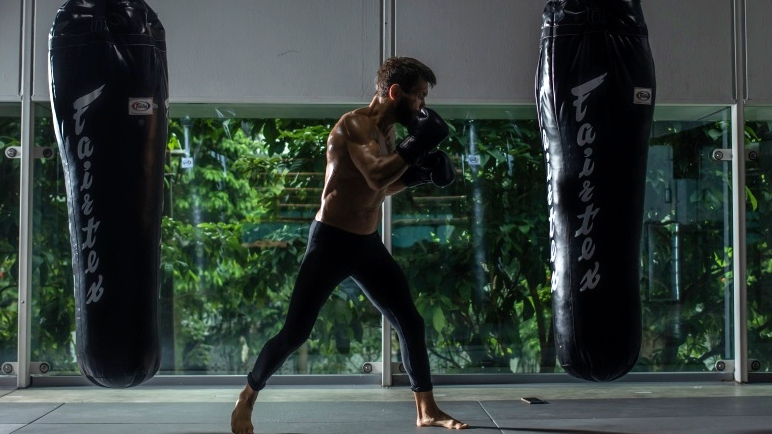
Many new boxers assume that landing hard punches is the fastest path to improvement. In reality, boxing is built on timing, positioning, and technique. A fighter with solid fundamentals can often outperform someone who relies only on strength.
A good beginner should focus on:
- Proper stance and balance
- Footwork and movement
- Basic punches
- Defensive skills
- Breathing and rhythm
These skills work together. Strong punches become possible when your feet, hips, and upper body move as one unit. Without that foundation, even the hardest punches lose effectiveness.
Building the Right Training Environment
Before focusing on advanced techniques, it helps to train in an environment that supports learning and consistency. Modern boxing facilities often use digital tools to display workouts, timers, and instructional content. Many gyms use solutions like Gym Screen systems to keep classes organized and help athletes stay focused during training sessions.
Having clear visual cues can be especially useful for beginners who are still learning combinations and round structures. When training becomes easier to follow, new boxers can spend more energy improving technique instead of wondering what comes next.
Small improvements in training organization often create better habits over time.
Mastering Your Boxing Stance
Your stance is the foundation of every movement you make in the ring. Without a stable stance, balance quickly disappears when throwing punches or defending attacks.
For an orthodox boxer, the left foot stays forward while the right foot remains behind. Southpaw fighters reverse this position. The feet should be shoulder-width apart with knees slightly bent and weight distributed evenly.
A strong stance allows you to:
- Move in any direction quickly
- Generate punching power
- Maintain balance after attacking
- React to incoming punches
Many beginners stand too upright or place their feet too close together. Taking time to correct these mistakes early creates a huge advantage later.
Important: Your stance should feel athletic and relaxed. Tension slows movement and reduces reaction time.
Learning Basic Footwork
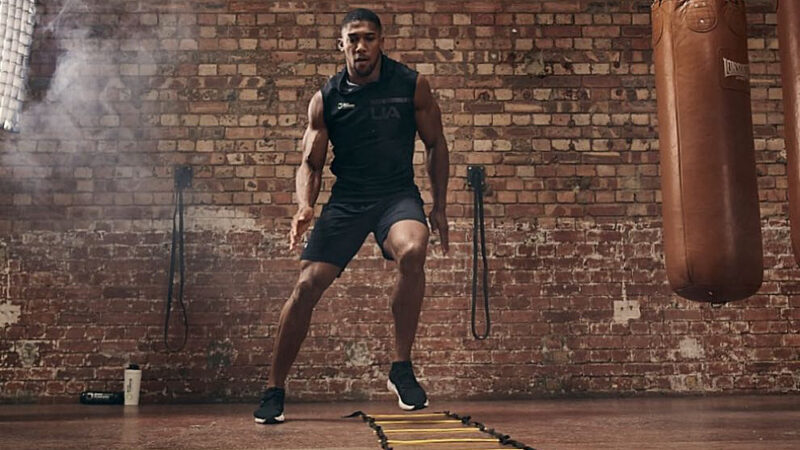
Footwork is often overlooked because it does not look as exciting as punching combinations. However, experienced coaches frequently say that boxing starts with the feet.
When moving forward, step with the lead foot first and let the rear foot follow. When moving backward, reverse the sequence. This keeps your stance balanced at all times.
| Movement | First Foot to Move |
| Forward | Lead foot |
| Backward | Rear foot |
| Left | Left foot |
| Right | Right foot |
The goal is to glide across the floor without crossing your feet. Crossing them can leave you off balance and vulnerable to attacks.
Good footwork helps you control distance, create angles, and conserve energy during training and competition.
The Four Basic Punches Every Beginner Should Learn
Most boxing combinations are built around four fundamental punches. Learning them properly creates a foundation for everything that follows.
The jab is usually the first punch beginners practice. It is quick, straight, and useful for measuring distance.
The cross follows from the rear hand and generates significant power through hip rotation.
The hook travels in a circular path and targets the side of an opponent’s head or body.
The uppercut rises upward and is effective at close range.
A useful way to think about these punches is that each one serves a different purpose:
- Jab for setup and control
- Cross for power
- Hook for angles
- Uppercut for inside fighting
Quality matters more than speed during the learning phase.
Defensive Skills That Every Boxer Needs

Beginners often become so focused on hitting that they forget boxing is also about avoiding punches. Good defense reduces damage and creates opportunities for counterattacks.
The first defensive skill to develop is keeping your hands up. It sounds simple, yet it is one of the most common mistakes among new fighters.
Additional defensive techniques include:
- Blocking punches with gloves
- Slipping straight punches
- Rolling under hooks
- Stepping away from danger
According to USA Boxing’s coaching resources, defensive awareness is one of the most important factors in long-term athlete development because it helps fighters remain effective while minimizing unnecessary punishment.
Defense should become part of every training session rather than something practiced separately.
Breathing, Timing, and Staying Relaxed
One of the biggest surprises for new boxers is how quickly they become tired. Often, the problem is not fitness but tension.
Many beginners hold their breath while punching or constantly keep their muscles tight. Both habits waste energy.
Try exhaling sharply with each punch while keeping your shoulders relaxed. Proper breathing improves endurance and helps maintain rhythm throughout a round.
Did You Know?
A 2022 review published in the journal Sports Medicine examining breathing strategies in athletic performance found that controlled breathing can improve efficiency and help athletes better manage fatigue during exercise.
Timing also improves when you stay relaxed. The smoother your movements become, the easier it is to react and make quick decisions.
Consistency Beats Complexity

Many beginners search for advanced combinations, flashy defensive moves, or professional-level tactics. The truth is that most successful boxers build their success on simple skills repeated thousands of times.
A well-timed jab, balanced footwork, and solid defense often outperform complicated techniques executed poorly.
Training consistently allows these movements to become automatic. Once fundamentals feel natural, learning advanced boxing techniques becomes much easier.
Progress in boxing rarely happens overnight. Focus on small improvements during each session, and the results will gradually accumulate.
Final Thoughts
Every boxer starts with the same fundamentals. A strong stance, efficient footwork, clean punching mechanics, reliable defense, and proper breathing form the backbone of successful boxing. Mastering these basics may not seem glamorous, but they are the skills that separate effective fighters from frustrated beginners. Stay patient, train consistently, and trust the process.
Frequently Asked Questions
1. How many times per week should a beginner train boxing?
Most beginners benefit from training two to four times per week. This provides enough practice to develop skills while allowing recovery between sessions.
2. Should beginners spar immediately?
No. Most coaches recommend learning proper technique, defense, and ring awareness before participating in sparring sessions.
3. What equipment is essential for a new boxer?
A good pair of boxing gloves, hand wraps, comfortable training clothes, and supportive athletic shoes are enough to start.
4. How long does it take to learn basic boxing skills?
Many beginners develop a solid understanding of the fundamentals within three to six months of regular training, though mastery takes much longer.
5. Is boxing a good workout even if I never compete?
Absolutely. Boxing improves cardiovascular fitness, coordination, endurance, balance, and overall athleticism without requiring competitive participation.